
Your guide to understanding an MVP build vs. a feature-by-feature build, and why it matters.
Why We Build the Small Version First (And Why That’s Good News)
MVP is one of those terms that everyone has heard, but it doesn’t mean the same thing to everyone. So let’s start with what it actually means to us at Paper Leaf, because the definition matters and it affects how we work with you directly.
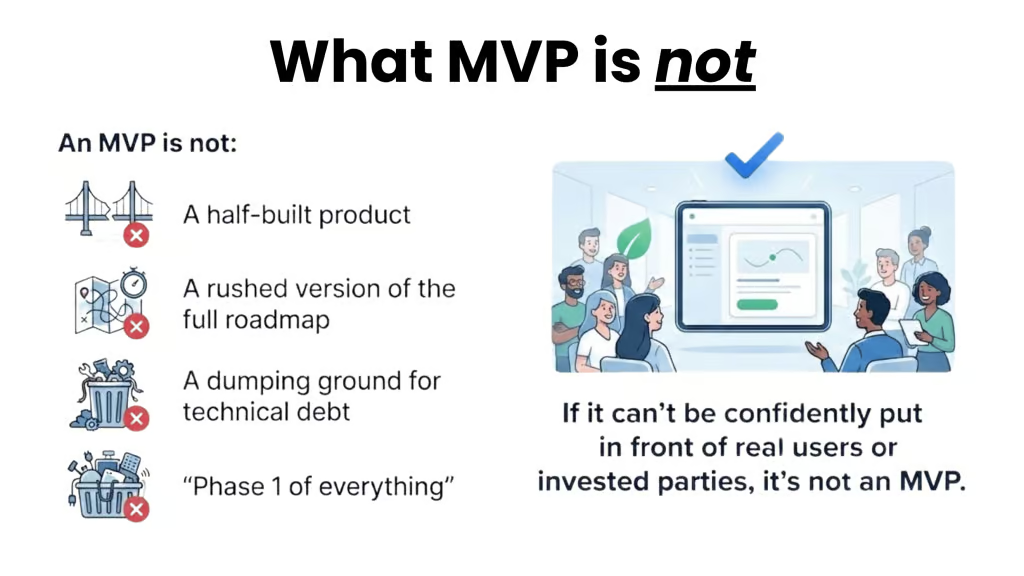
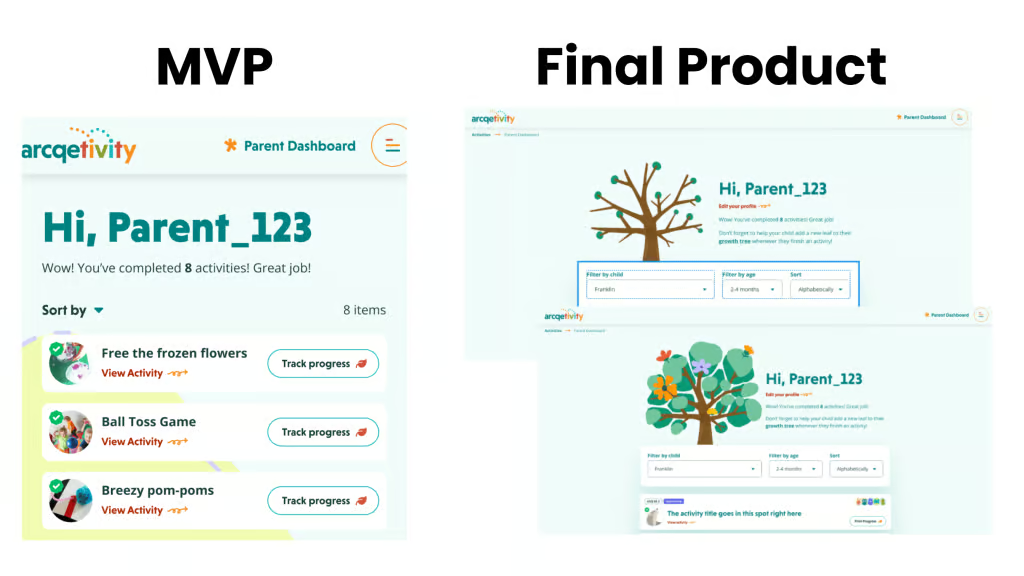
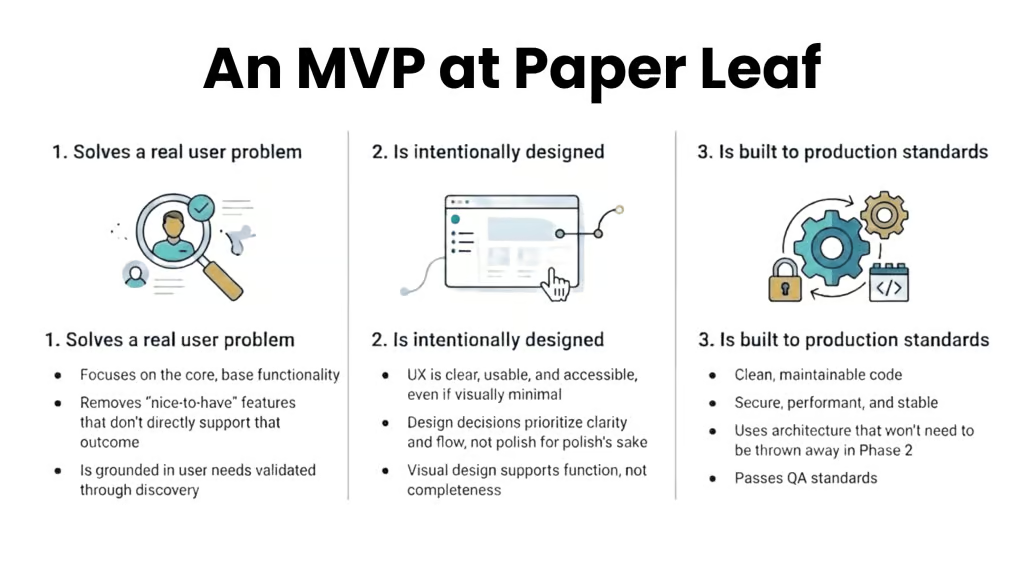
An MVP is the basic, functional version of a product that can be put in front of real users, with the intention of learning and iterating. It could launch as-is if needed. That’s the bar, and includes everything that is essential to the build.
The key word is functional. It’s not a half-built version. It’s the full core experience — just the most focused, essential, valuable-to-users version of it.
The Base Model Car
A good analogy is the base model car. No heated seats, no chrome trim, the radio might not have Bluetooth. But it drives and gets you where you need to go. You get the full driving experience, just without the extras.
That’s different from the “skateboard to a bike to a car” version of MVP you might have heard. If you’re paying for a car, you’re getting a car.
The point to understand is minimum viable product development is not giving you less. It’s about giving you the core valuable experience first, confirming it’s working the way it should, and then building out from there.
Why This Matters
Here’s what tends to happen on projects that don’t take this approach: assumptions get made early and tested late. A team builds out a detailed vision feature by feature, and near the end of the project build, discovers that users behave differently than was expected, or that something everyone thought was low priority is actually the thing that matters most.
By that point, most of the budget is spent. You’re stuck with hard choices: cut something important, add more money, or delay the launch. This is a riskier way to execute a project, and it doesn’t get you the final product you want, as you’re forced to make sacrifices.
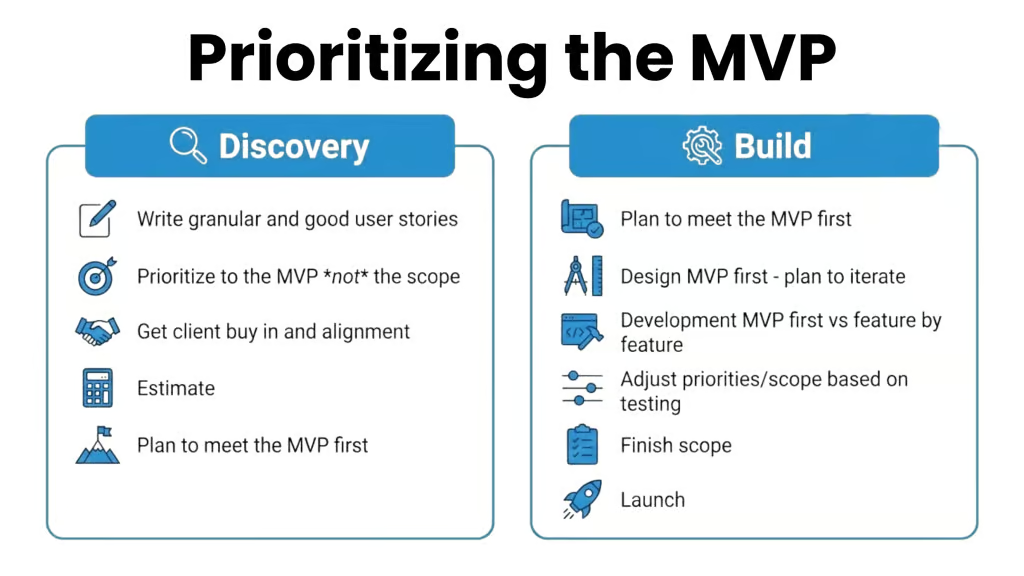
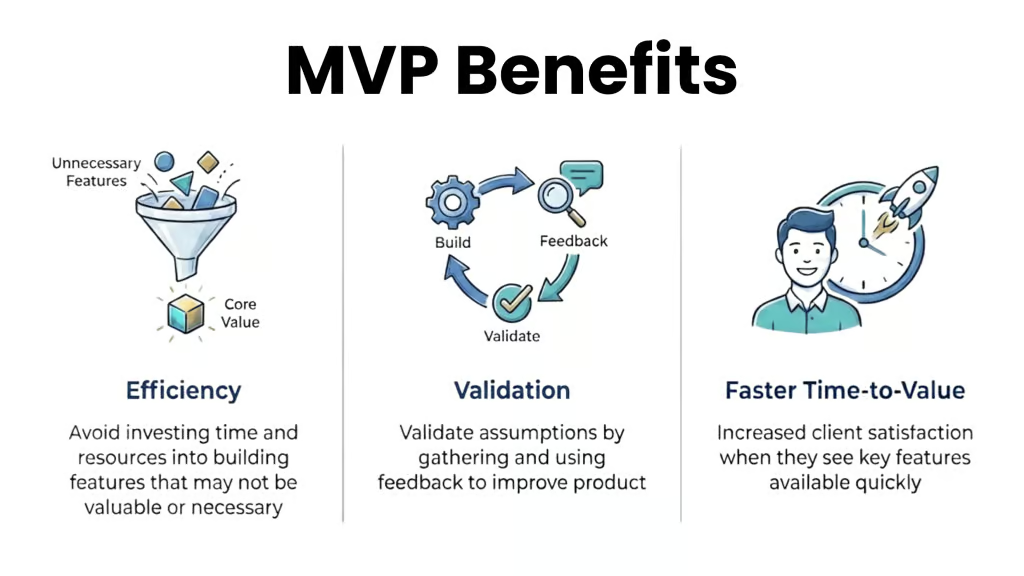
An MVP-first approach surfaces any surprises earlier, while there’s still time and budget to respond. That’s the whole point. Not to cut corners, but to catch costly mistakes before they compound.
You may be thinking “why doesn’t every project do MVP then?” The unfortunate answer is because people like the flash and some agencies will focus on this to get your project. It’s more fun to talk about exciting extras like the heated seats or a dvd player in your head rests than the actual functionality of the engine. Paper Leaf is focused on delivering what you truly need first and making sure you get it, then adding the fun parts after the foundation is solid.
Scope vs. MVP: These Aren’t the Same Thing
This is probably the most important distinction we make, and it’s worth being clear about.
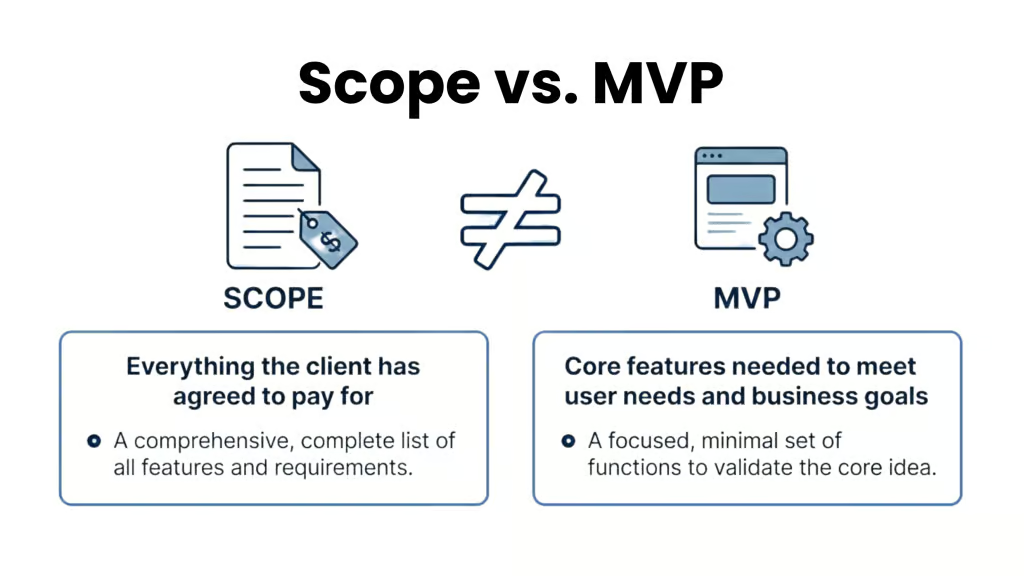
Scope is everything you’re paying for — the full list of features and functionality that has been agreed to and documented. The MVP is a stricter subset of that: just the must-haves that make the product functional and testable in the real world.
Take account creation as an example. The MVP might be: enter an email and password, validate the email, and get logged in. That’s the whole flow. A priority-two item might be signing in with Google or SMS verification. Those are still in scope, they’re just not needed to confirm that the core experience works.
The framing to keep coming back to: MVP isn’t less scope. It’s an intentional, smarter priority sequence. You still get everything you’re paying for in scope. We’re just delivering it in an order that reduces risk and creates space to learn.
What You Actually Get Out of It
A few things happen when you take this agile product development approach that don’t happen when you build feature by feature.
- You catch misaligned assumptions earlier. What the product is supposed to do and what users actually do with it are often different. An MVP gives you that reality check before you’ve spent the whole budget.
- Your team gets aligned faster. Complex products are really hard to visualize from documents alone. Once invested parties can actually log in and use something, priorities get clearer. We’ve seen clients interact with an MVP and realize something they thought was critical isn’t, or that something they’d deprioritized actually matters a lot.
- You see value sooner. Instead of waiting until all those extras are built out and polished, you see the product move from basic to complete in a structured, intentional way. That’s useful for internal buy-in, for leadership, and for your own confidence that the project is on track.
- You get time to pivot if needed. This iterative development process means that when the MVP is done, we can do user testing, validate assumptions from discovery, and adjust the project plan (and even scope) based on what we learned, not just what we predicted. That’s how you find true product-market fit.
It Has to Be Defined Together
One thing that makes our approach a bit different is that the MVP isn’t something we define on our own. It’s a collaborative process and has to account for your business goals and objectives.
Your market might create pressure to have certain features more fleshed out just to be taken seriously. Your leadership might have non-negotiables. You might have a grant with specific requirements that have to be met for the product to be considered launch-ready. All of that goes into how we define the MVP collaboratively during discovery.
The goal is that when you start testing and validating the MVP, nobody’s asking “where’s feature X?” They’re seeing something that’s deliberately scoped, production quality, and captures everything that’s important to them, with a clear picture of what’s coming next and why.
You Have Questions
You read all that and now have some questions or are wondering how this applies to your project? Good — that’s exactly the kind of question worth asking before a build starts. Every product is different, and we’d rather help you think it through upfront than have you figure it out midway through. Drop us a line and let’s talk about what an MVP approach could look like for you.